

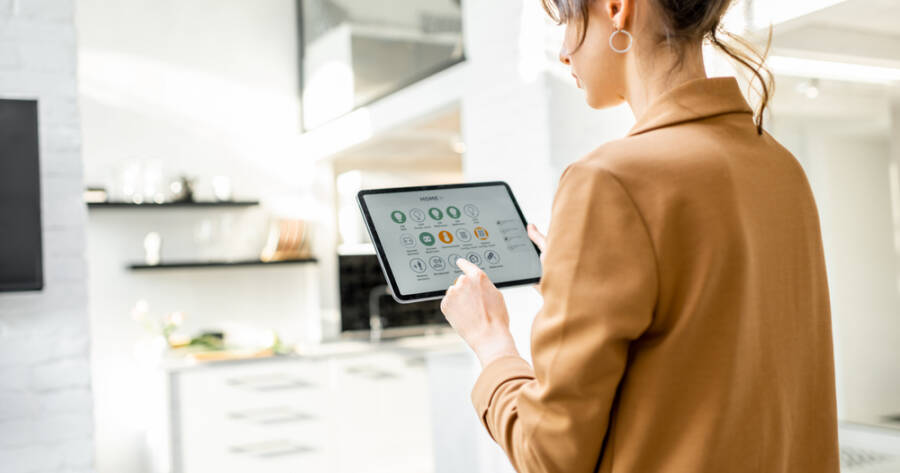
Modern homes are becoming more connected, offering convenience, efficiency, and comfort in ways that were once unimaginable. From controlling lights with a voice command to adjusting temperature from a smartphone, technology is reshaping everyday living. Smart home devices simplify daily routines while helping save time and energy. With a growing number of options available, understanding how everything works can make it easier to create a home that feels more intuitive, responsive, and tailored to your lifestyle.
What Smart Home Devices Are and How They Work
Smart home devices are internet-connected gadgets that allow you to control and automate household functions. Common examples include smart lights, thermostats, security cameras, and voice assistants. Many of these devices connect through Wi-Fi and can be managed using apps or voice commands, giving you control even when you are not at home.
Most smart home systems work through a central platform, such as a mobile app or a smart speaker. Devices can communicate with each other, allowing automation like turning off lights when you leave or adjusting the temperature at bedtime. Once set up, smart home technology creates a more seamless living experience that responds to your habits and preferences.
Why Smart Home Technology Is Worth Considering
Smart home devices offer more than just convenience. One of the biggest benefits is energy efficiency. Smart thermostats and lighting systems help reduce energy use by automatically adjusting based on your routines. Over time, this can lead to noticeable savings on utility bills while also supporting more sustainable living habits.
Another key advantage is improved security and peace of mind. Smart locks, cameras, and doorbell systems allow you to monitor your home in real time. Notifications and remote access make it easier to stay informed about what is happening, whether you are at work or traveling, adding an extra layer of confidence and control.
Smart Lighting and Plugs for Everyday Convenience
Smart lighting is often one of the easiest ways to begin building a connected home. Smart bulbs and switches allow you to adjust brightness, color, and scheduling through an app or voice assistant. You can create routines such as dimming lights in the evening or turning them on before you arrive home.
Smart plugs extend similar convenience to regular appliances. By plugging devices into a smart outlet, you can control them remotely or set timers for automatic operation. This is useful for items like coffee makers, lamps, or fans. Small upgrades like these can make daily routines feel smoother and more efficient.
Smart Thermostats for Comfort and Energy Savings
Smart thermostats are designed to learn your habits and adjust heating or cooling automatically. Over time, they can create schedules based on your routine, ensuring your home stays comfortable without wasting energy. Many models also allow remote control, so you can adjust settings from your phone at any time.
In addition to convenience, smart thermostats provide insights into energy usage. You can track patterns and make adjustments that improve efficiency. By maintaining a consistent and optimized temperature, these devices help create a comfortable environment while reducing unnecessary energy consumption.
Smart Security Devices for Peace of Mind
Smart security devices play an important role in modern homes. Options like video doorbells, indoor cameras, and smart locks allow you to monitor and control access to your home. Real-time alerts and live video feeds help you stay informed about activity around your property.
Many systems also include motion detection and recording features, providing an extra level of protection. Whether you are home or away, the ability to check in instantly can offer reassurance. Smart security tools are especially valuable for those who want to feel more connected and aware of their surroundings.
Smart Appliances and Voice Assistants to Simplify Life
Smart appliances bring convenience to everyday tasks. Refrigerators, ovens, and washing machines with smart features can send notifications, suggest settings, or allow remote control. While not always essential, they can add a layer of efficiency to household routines.
Voice assistants act as the central hub for many smart homes. Devices like smart speakers allow you to control lighting, temperature, and other connected gadgets using simple voice commands. They can also provide reminders, play music, or answer questions, making them a versatile addition to any home setup.
Creating a Connected Home That Works for You
Building a smart home does not require upgrading everything at once. Starting with a few key devices and expanding gradually allows you to learn what works best for your lifestyle. Choosing compatible products and focusing on everyday needs can make the transition feel manageable and enjoyable.
Over time, smart home technology can transform how you interact with your space. Small changes, like automated lighting or remote temperature control, can have a noticeable impact on comfort and convenience. With thoughtful choices and a simple setup, creating a connected home becomes an achievable and rewarding experience.