

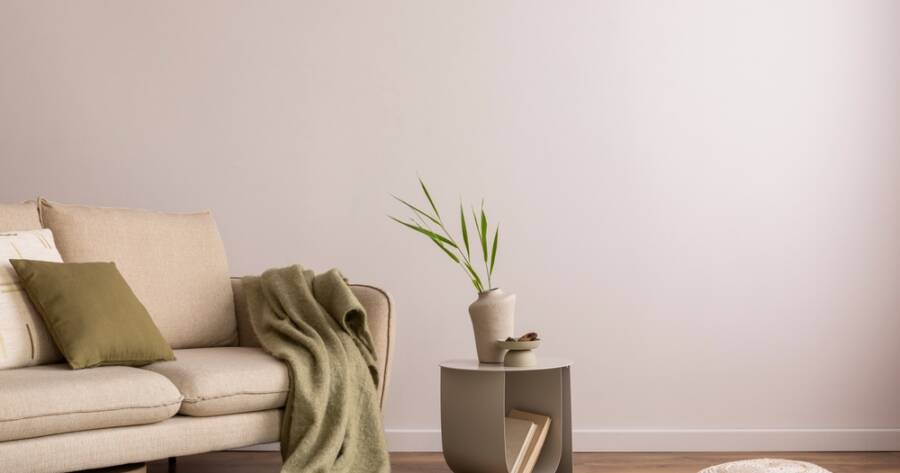
Life can feel crowded with obligations, possessions, and constant noise that compete for attention every day. A simpler approach offers a different way of living; one that focuses on clarity, purpose, and intention. Minimalist living isn’t about having as little as possible, but about making room for what truly matters. By removing excess and distractions, it becomes easier to focus on meaningful experiences, relationships, and personal priorities that bring a greater sense of balance and freedom.
Understanding What Minimalist Living Really Means
Minimalism is often misunderstood as simply owning fewer things, but it goes far beyond physical possessions. At its core, it’s about intentional living; choosing what adds value and letting go of what doesn’t. Every decision, from how time is spent to what is brought into a home, becomes more deliberate.
The goal isn’t deprivation but clarity. When unnecessary distractions are removed, it becomes easier to focus on what truly matters. Minimalist living can apply to many areas, including schedules, finances, relationships, and even digital habits. It’s a mindset that encourages living with purpose rather than excess.
Recognizing the Benefits of Living with Less
Living with less can create more space, both physically and mentally. Fewer possessions often mean less time spent cleaning, organizing, and maintaining. That extra time can be redirected toward activities that bring fulfillment and enjoyment.
Beyond practical benefits, minimalism can also reduce stress and improve focus. A simplified environment makes it easier to think clearly and make decisions. Over time, living with less can lead to greater freedom, allowing more energy to be spent on experiences, creativity, and personal growth instead of managing excess.
Start Small and Focus on One Area at a Time
Beginning a minimalist lifestyle doesn’t require drastic changes. Starting small makes the process more manageable and less overwhelming. Focusing on one area, such as a drawer, closet, or digital space, can create quick wins and build momentum.
Taking gradual steps allows habits to form naturally. Instead of trying to simplify everything at once, consistent small actions lead to lasting results. Over time, each small change contributes to a more streamlined and intentional way of living without creating unnecessary stress.
Ask Yourself What Truly Adds Value
A key principle of minimalism is evaluating whether something adds value to your life. Asking simple questions, such as whether an item is useful, meaningful, or brings joy, can help guide decisions about what to keep.
Letting go of items that no longer serve a purpose can feel freeing. It shifts focus away from accumulation and toward intentional choices. Over time, this habit extends beyond possessions and influences how time, energy, and attention are spent, leading to a more purposeful lifestyle.
Be Mindful of What You Bring Into Your Life
Minimalism isn’t only about removing excess; it’s also about preventing clutter from returning. Being mindful of new purchases and commitments helps maintain balance. Each new item or responsibility should serve a clear purpose.
Pausing before making decisions can prevent unnecessary accumulation. Choosing quality over quantity and focusing on meaningful additions keeps life simpler. Over time, this awareness helps maintain a sense of control and prevents the cycle of clutter from repeating.
Create Space for What Matters Most
As excess is removed, space naturally opens up for more meaningful experiences. Minimalism creates room for relationships, creativity, rest, and personal growth. It allows priorities to become clearer and easier to focus on.
Filling that space intentionally is just as important as clearing it. Choosing how to spend time and energy becomes more deliberate. Over time, life begins to feel less rushed and more aligned with personal values, creating a stronger sense of fulfillment.
Build a Minimalist Mindset for Long-Term Change
Minimalism isn’t just about what you remove; it’s about how you think. Shifting your mindset helps make minimalism sustainable rather than temporary. Instead of focusing on what you’re giving up, it becomes about what you’re gaining: time, space, clarity, and freedom.
Developing this mindset takes practice. It involves becoming more aware of habits, questioning unnecessary purchases, and being intentional with decisions. Over time, minimalism begins to feel natural rather than forced. When the mindset is in place, maintaining a simpler lifestyle becomes easier and more consistent, supporting long-term balance and purpose.
Designing a Life with More Clarity and Purpose
Minimalist living is not about perfection or strict rules; it’s about creating a lifestyle that feels aligned and intentional. Progress happens gradually, through small, thoughtful decisions that build over time. Each step brings more clarity and a stronger sense of direction.
As habits shift, life becomes less about managing excess and more about enjoying what truly matters. With a balanced approach, minimalism becomes a tool for creating a life that feels lighter, more focused, and deeply meaningful.