

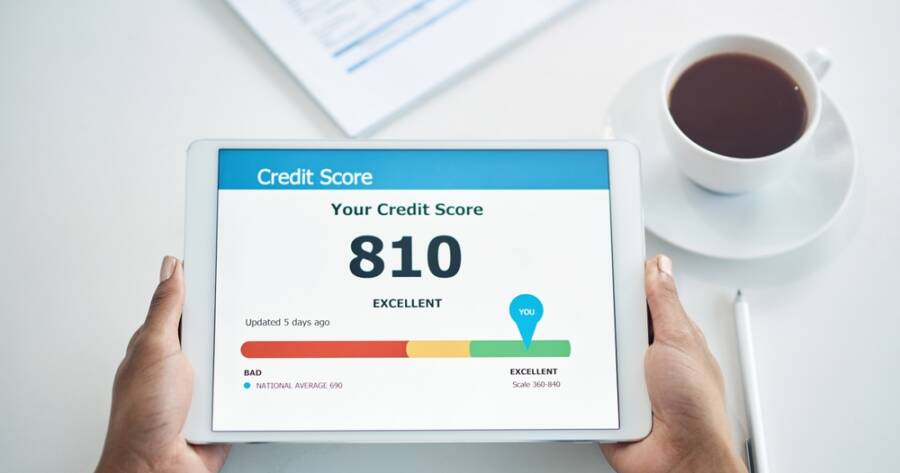
A strong credit score can open doors to better financial opportunities, from lower interest rates to easier loan approvals. Many people feel unsure about where to begin or assume improvement takes years of effort. Progress often comes from a series of consistent, manageable actions rather than from a single major change. Understanding how credit works and making a few intentional adjustments can gradually strengthen your financial profile and create more flexibility in future decisions.
Understand What Impacts Your Credit Score
Improving a credit score starts with understanding what influences it. Key factors include payment history, credit utilization, length of credit history, types of credit used, and recent credit inquiries. Payment history and credit usage carry the most weight, making them essential areas to focus on first.
Knowing how each factor works allows better decision-making. For example, consistently paying bills on time strengthens your profile, while high balances can lower it. A clear understanding of how scores are calculated helps prioritize the actions that will have the greatest impact over time.
Check Your Credit Report for Errors
Reviewing your credit report is an important first step. Errors such as incorrect account balances, duplicate entries, or unfamiliar accounts can negatively affect your score without your knowledge. Identifying and correcting mistakes can lead to noticeable improvements.
Requesting reports from major credit bureaus and reviewing them carefully helps ensure accuracy. If any discrepancies are found, contacting the reporting agency to dispute them can resolve the issue. Regularly checking reports also helps detect potential fraud early, protecting your financial health while keeping your credit profile accurate.
Pay All Bills on Time, Every Time
Payment history is one of the most important factors in a credit score. Late or missed payments can have a lasting negative impact, while consistent on-time payments build trust with lenders. Even a single missed payment can lower a score significantly.
Setting up automatic payments or reminders can help avoid missed due dates. Paying more than the minimum when possible also reduces balances faster. Over time, a strong record of timely payments becomes one of the most effective ways to improve and maintain a healthy credit score.
Keep Your Credit Utilization Low
Credit utilization refers to how much of your available credit is being used. High balances, especially those close to credit limits, can lower a score. A general guideline is to keep usage below 30% of available credit.
Reducing balances or spreading spending across multiple accounts can help lower utilization. Requesting a credit limit increase may also improve the ratio if spending remains the same. Managing credit usage carefully shows lenders that you can handle credit responsibly without relying too heavily on it.
Limit New Credit Applications
Applying for multiple credit accounts within a short period can negatively impact your score. Each application typically results in a hard inquiry, which may slightly lower your score. Frequent inquiries can signal financial stress to lenders.
Being selective about when and why new credit is requested helps maintain stability. Spacing out applications and only applying when necessary reduces unnecessary inquiries. A thoughtful approach to new credit allows your score to improve steadily without unnecessary setbacks.
Keep Old Accounts Open and Active
The length of credit history plays a role in determining your score. Older accounts contribute to a longer average credit history, which is generally viewed positively by lenders. Closing old accounts can shorten that history and reduce available credit.
Keeping accounts open, even if used occasionally, can support a stronger profile. Making small purchases and paying them off regularly keeps accounts active without increasing debt. Maintaining long-standing accounts helps demonstrate consistent and responsible credit use over time.
Build a Healthy Mix of Credit Types
Having a variety of credit types can also strengthen your overall credit profile. Lenders often look for a mix that may include credit cards, installment loans, or lines of credit. A balanced mix shows that you can manage different types of borrowing responsibly.
That said, it’s important not to open accounts just for the sake of variety. Only take on credit that makes sense for your situation. Over time, maintaining different types of accounts while managing them well can improve your score and demonstrate strong financial habits to lenders.
Building Credit Strength Through Consistency
Improving a credit score doesn’t happen overnight, but steady habits can create meaningful progress. Small actions, repeated consistently, have a greater impact than quick fixes. Focusing on payment reliability, balanced credit use, and thoughtful financial decisions helps build long-term stability.
Over time, positive habits strengthen your credit profile and increase financial confidence. Progress may feel gradual, but each step contributes to a stronger foundation. With patience and consistency, a higher credit score becomes an achievable and lasting result.