

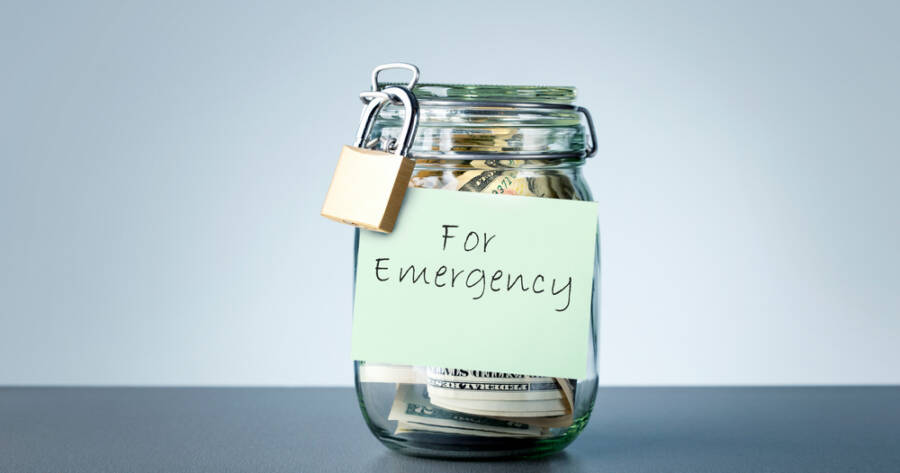
Unexpected expenses can show up at any time, often when it’s least convenient. A sudden car repair, medical bill, or job change can quickly disrupt your finances if you’re not prepared. Having money set aside for emergencies provides a sense of stability and control during uncertain moments. Even small savings can make a difference, helping you handle challenges without relying on debt or scrambling to cover costs.
What an Emergency Fund Is and Why It Matters
An emergency fund is money set aside specifically for unexpected expenses. It’s not meant for everyday spending or planned purchases, but for situations like medical bills, home repairs, or a loss of income. Having a dedicated fund helps separate urgent needs from regular expenses.
Without savings, even a small financial shock can create stress and lead to debt. Many people rely on credit cards or loans in emergencies, which can make recovery more difficult over time. A financial cushion provides peace of mind and helps you navigate challenges without adding extra pressure to your budget.
How Much You Should Aim to Save
The amount you should save depends on your personal situation, including your income, expenses, and job stability. A common recommendation is to build up three to six months’ worth of living expenses. This gives you enough coverage for larger emergencies like job loss or major repairs.
If that goal feels overwhelming, starting smaller can still make a meaningful difference. Even saving a few hundred dollars can help cover minor emergencies. The key is to begin with a realistic target and gradually increase your savings over time as your financial situation improves.
Start Small and Build Consistency
Saving for an emergency fund doesn’t have to happen all at once. In fact, trying to save too much too quickly can feel discouraging. Starting with small, manageable amounts makes it easier to stay consistent and build momentum.
Setting aside a fixed amount from each paycheck can help establish a habit. Even modest contributions add up over time, especially when you stay consistent. Building a routine around saving creates a steady path toward your goal and helps make saving feel like a natural part of your finances.
Use Automation to Make Saving Easier
One of the simplest ways to grow your emergency fund is to automate your savings. Setting up automatic transfers from your checking account to your savings account ensures that money is set aside regularly without needing constant effort.
Automation helps remove the temptation to spend money before saving it. By treating savings like a recurring expense, you prioritize building your emergency fund. Over time, you’ll notice your balance growing without needing to think about it, which can make the process feel much more manageable.
Find Extra Money to Boost Your Savings
Looking for small ways to free up extra cash can speed up your progress. Cutting back on nonessential expenses, even temporarily, can create room in your budget for savings. Simple changes like cooking at home more often or limiting subscriptions can make a noticeable difference.
You can also use unexpected income to grow your fund. Tax refunds, bonuses, or gifts are great opportunities to add to your savings. While it might be tempting to spend that extra money, putting a portion toward your emergency fund can help you reach your goal faster.
Keep Your Emergency Fund Separate and Accessible
Where you keep your emergency fund matters. It should be easy to access when needed but separate from your everyday spending account. Keeping it in a dedicated savings account can help prevent accidental use for non-emergencies.
Having a clear boundary between your spending money and your emergency savings helps you stay disciplined. When the funds are set aside specifically for emergencies, you’re less likely to dip into them for other reasons. Accessibility and separation work together to protect your savings and ensure they’re there when you truly need them.
Building Financial Security One Step at a Time
Creating an emergency fund is one of the most important steps toward financial stability. It doesn’t require perfection or large deposits right away, but rather consistent effort and a clear plan. Every contribution, no matter how small, brings you closer to a stronger financial foundation.
Over time, having savings set aside can reduce stress and give you more confidence in handling life’s uncertainties. By building your fund gradually and staying committed, you create a safety net that supports you through both expected and unexpected challenges.